How to Reduce Operator Error in Manufacturing
Operator error in manufacturing is often caused by unclear instructions, inconsistent processes, and paper-based production methods. Manufacturers reduce operator error by standardising work, building checks into production, and giving operators clearer guidance during the build process.
When operators follow different methods, rely on paper records, or complete checks after production, mistakes become harder to control. This can lead to rework, traceability gaps, production delays, and inconsistent product quality.
This article explains the common causes of operator error in manufacturing and practical ways to reduce it across production.
What Causes Operator Error in Manufacturing?
Operator error in manufacturing is often caused by inconsistent production processes rather than operators intentionally making mistakes. When instructions are unclear, operators follow different methods, or information is recorded manually, variation increases across production.
Many manufacturers still rely on paper records, spreadsheets, verbal handovers, and operator memory to complete work consistently. This makes it easier for steps to be missed, checks to vary between operators, and information to be recorded incorrectly or after the job is complete.
Errors also become harder to control when checks happen too late in the process. By final inspection, the issue has often already moved through production, increasing rework, delays, and traceability gaps.
How to Reduce Operator Error in Manufacturing
Reducing operator error comes from making the production process more consistent and easier to follow. This usually starts with standardising how work is completed so operators follow the same sequence, use the same information, and complete the same checks across production.
Operators should have clear guidance available during the build process rather than relying on memory, paperwork, or verbal handovers. Checks should happen as work is carried out, helping prevent issues from moving further through production before they are identified.
Capturing production data during the build also improves traceability and gives supervisors better visibility of what is happening across production as work progresses.
Reduce Variation Across Production
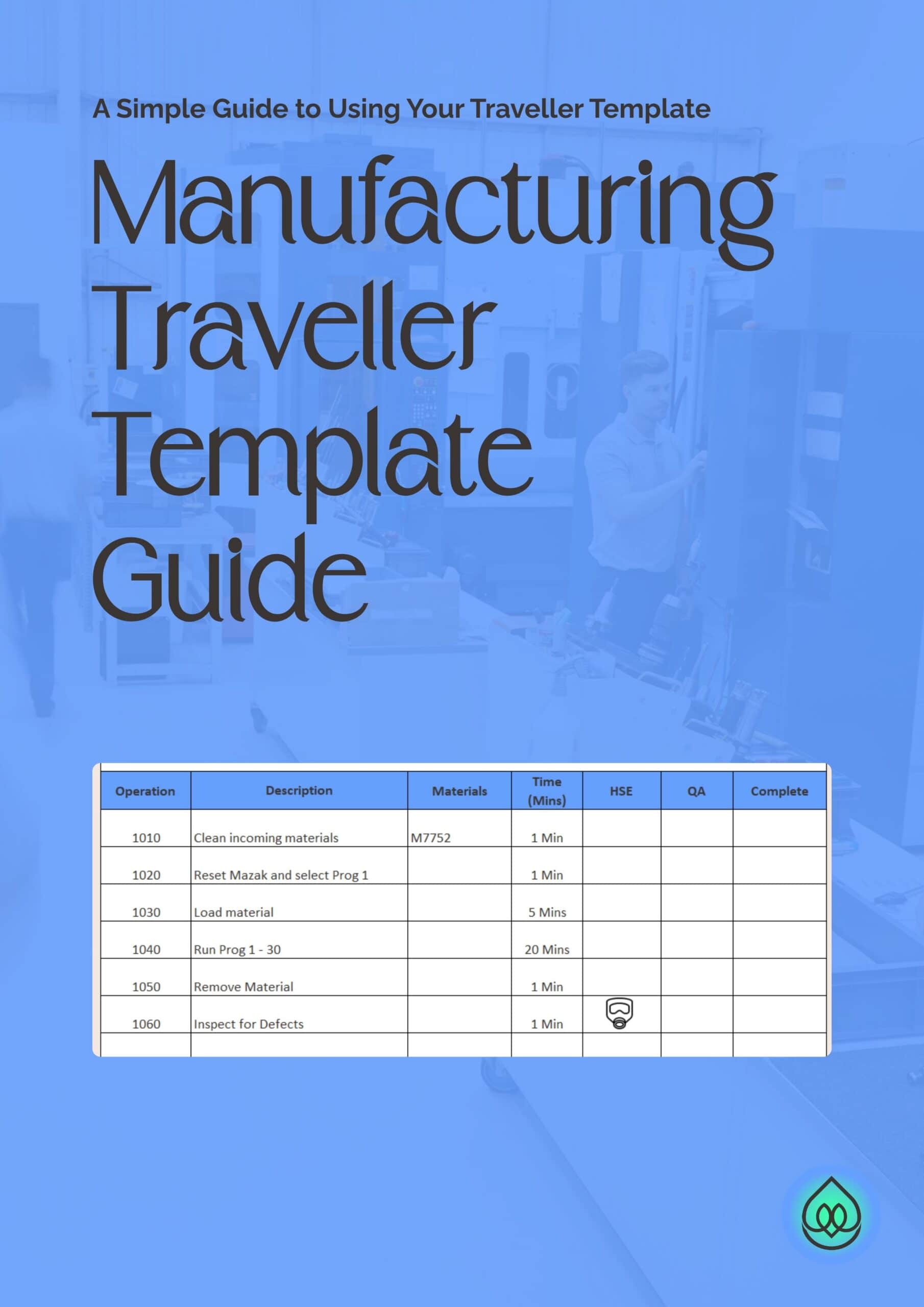
Download a free manufacturing traveller template to help standardise work, capture production records consistently, and reduce variation across operators and shifts.
Why Paper-Based Processes Increase Operator Error
Paper-based production processes make operator error harder to control because instructions, checks, and production records are often separated across different documents, spreadsheets, and systems.
Operators may complete work using outdated paperwork, record information after the build has finished, or rely on verbal communication between stages of production. This increases variation across operators and makes it harder to identify issues while production is still running.
As production becomes more complex, many manufacturers move toward more controlled production processes where instructions, checks, and traceability are managed during the build process rather than afterwards.
Improving Control Across Production
As production becomes more complex, many manufacturers move away from paper records and manual production methods to reduce operator error more consistently.
Tascus helps manufacturers standardise how work is completed by guiding operators through the correct process at the workstation. Checks are completed during the build, production records are captured as work happens, and supervisors gain better visibility across production.
This reduces variation between operators while making it easier to control traceability, identify issues earlier, and maintain a more consistent production process across shifts and products.
Is Your Production Process Actually Consistent?
Use the checklist to identify gaps in control across your production process, from instructions through to traceability.

What’s really happening on
the shop floor?
An on-site review to identify where variation and
delays are affecting production.