Standardise Production Processes in Manufacturing
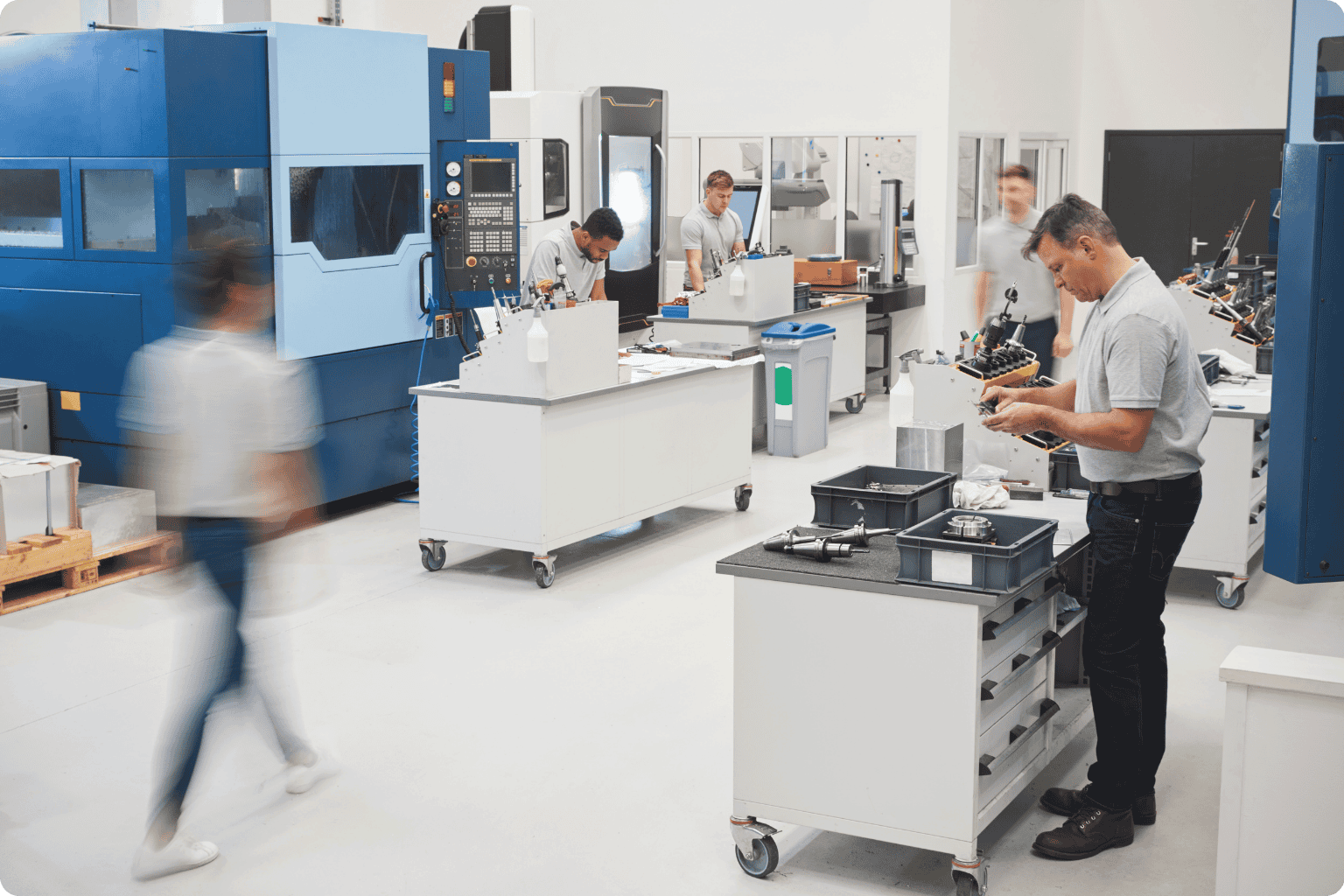
Standardising production processes means defining how work should be completed so every operator follows the same method, sequence, and checks.
Without a standard process, production becomes inconsistent. Tasks are completed differently between operators or shifts, checks are missed, and variation starts to affect quality, output, and traceability.
A standardised process helps manufacturers run production more consistently by making work easier to follow, control, and improve.
Why Production Processes Become Inconsistent
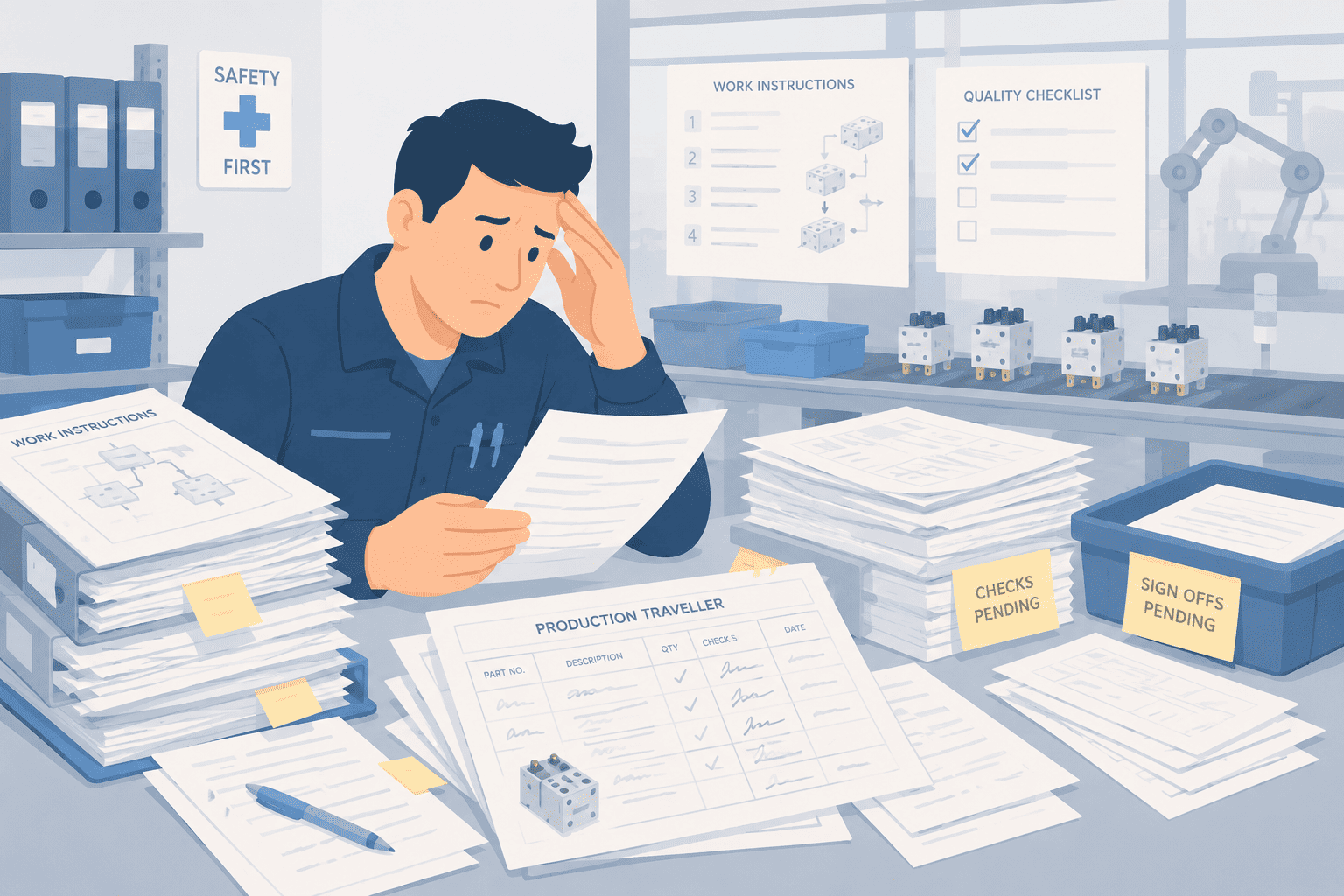
Production processes become inconsistent when operators, shifts, or departments complete jobs differently. One operator may follow every step, while another relies on memory or skips parts of the process.
This usually happens when instructions are unclear or paperwork is completed inconsistently. As a result, information becomes spread across paper travellers, spreadsheets, and manual notes, making the process harder to follow consistently.
Under production pressure, operators may skip checks, complete records later, or pass issues between shifts without a clear handover. Over time, this creates variation in production and makes quality issues, rework, and traceability harder to control.
What a Standardised Production Process Looks Like
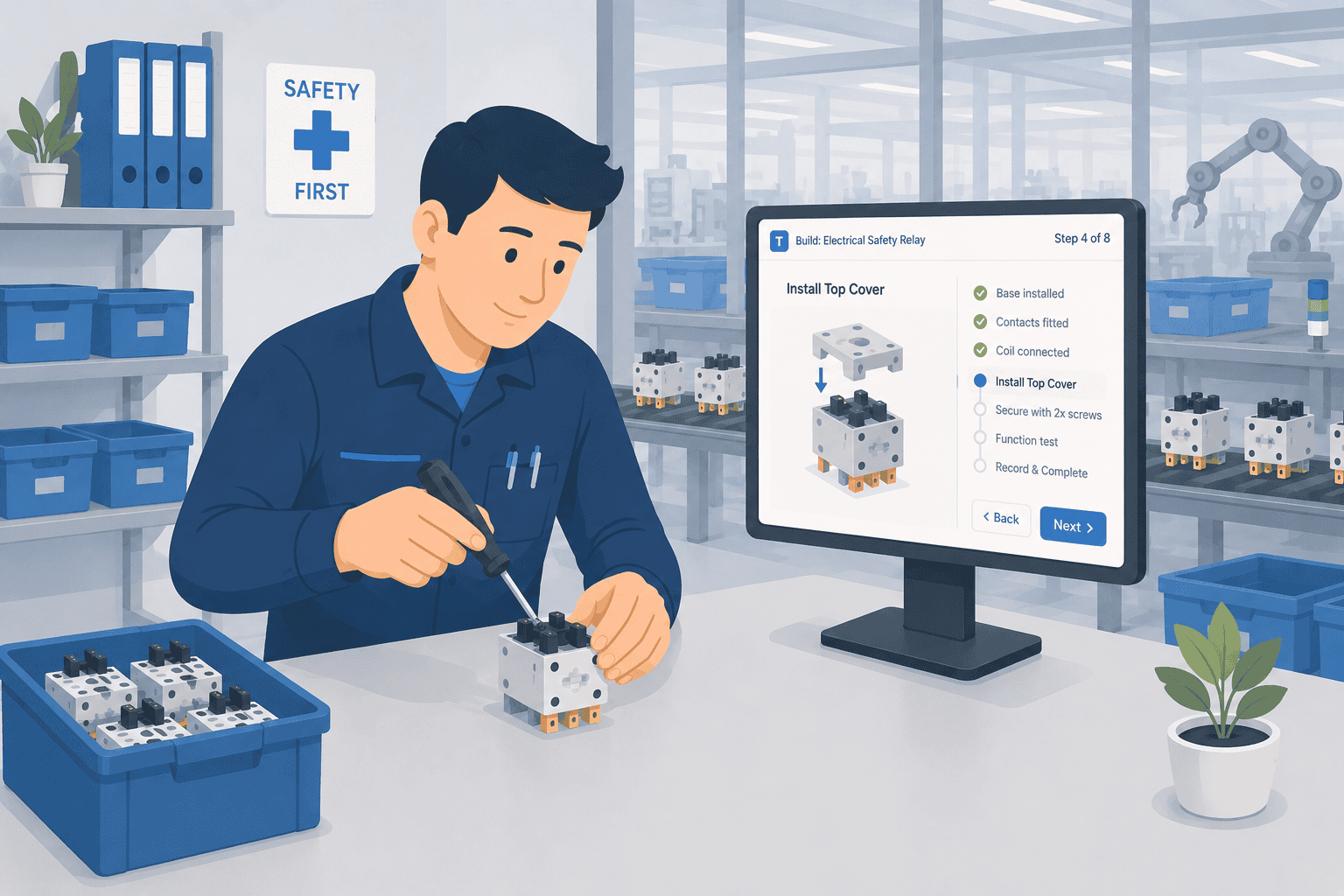
A standardised production process gives operators a clear and repeatable way to complete work. Each job follows the same sequence, instructions, and checks, regardless of operator or shift. This aligns closely with ISO 9001 quality management principles around process consistency and documented procedures.
Operators know what needs to be completed, what must be checked, and what information needs to be recorded before work moves forward. This reduces variation in how products are built and creates a more consistent production process.
It also improves visibility during production by making it easier to see what has been completed, where issues occurred, and whether checks were carried out correctly.
How to Standardise Production Processes
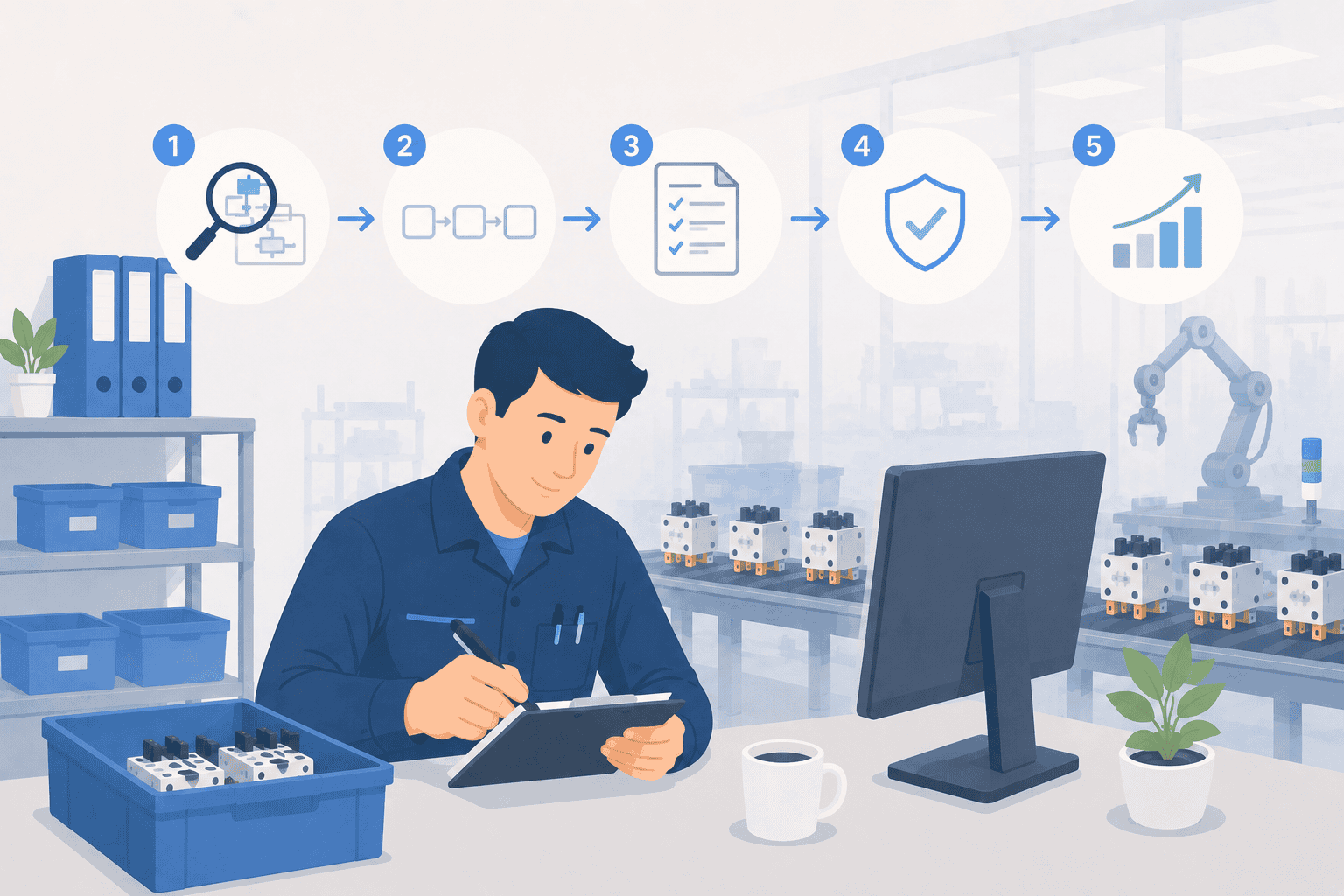
Standardising production processes starts with understanding how work is currently completed and where variation enters production. From there, manufacturers can define a consistent process, standardise records, and create clearer control during production.
The five steps below provide a practical approach to building a more consistent production process across operators, shifts, and departments.
How to Standardise Production Processes
Step 1: Record How Work Is Currently Done
Start by reviewing how work is completed on the shop floor. Observe operators during production and identify where jobs are completed differently between people, shifts, or departments.
This helps uncover missing steps, inconsistent checks, and areas where operators rely on memory.
How to Standardise Production Processes
Step 2: Define the Correct Sequence
Define the correct order for completing the job, including where checks should take place and what information must be recorded during production.
The goal is to remove ambiguity so operators follow the same process every time.
How to Standardise Production Processes
Step 3: Standardise Instructions and Records
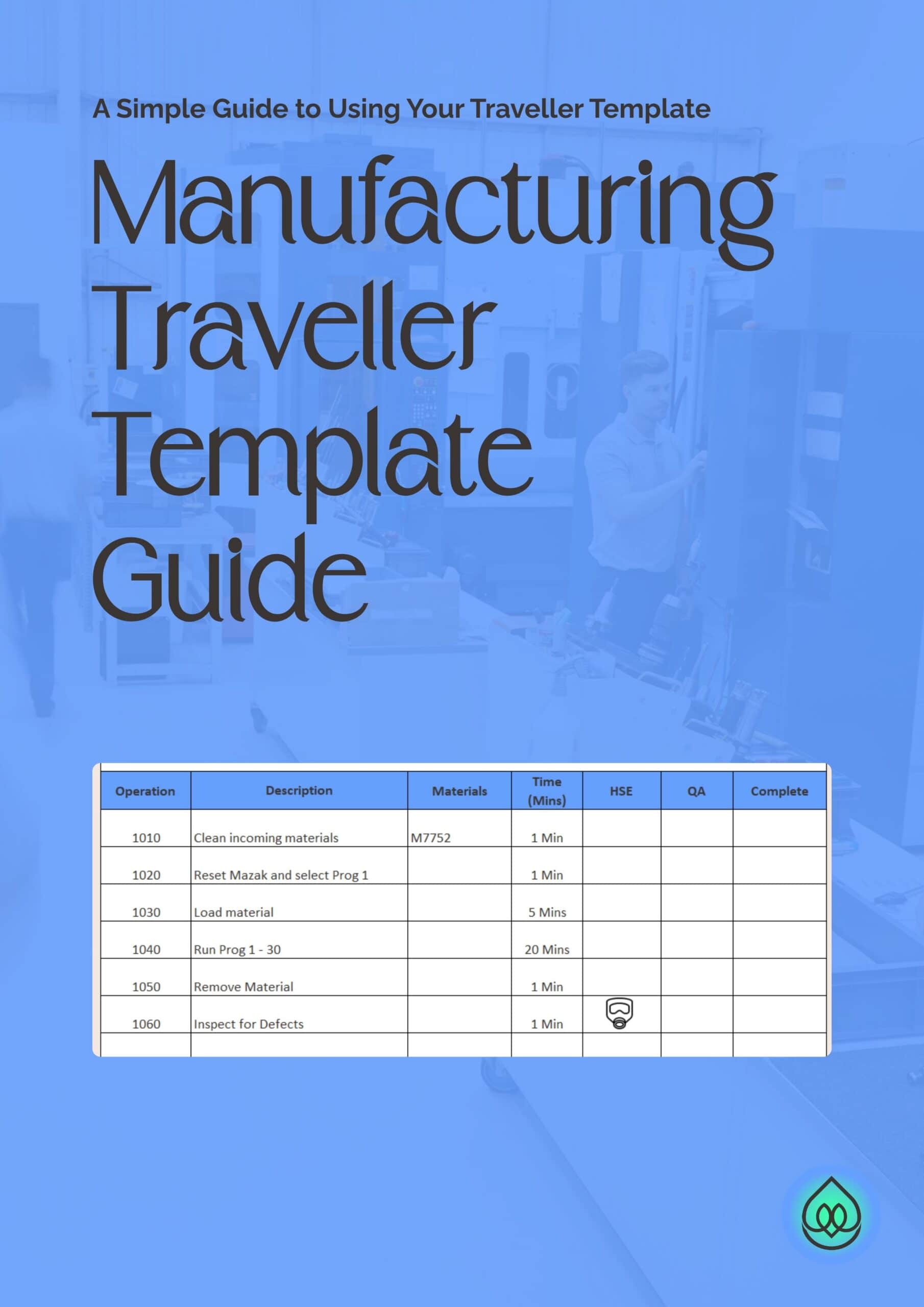
Create a consistent way to document production using travellers, work instructions, sign-offs, and serial or batch recording.
This makes it easier to train operators, complete checks consistently, and maintain traceability.
Create a Standard Process Your Team Can Follow
Use the manufacturing traveller template to document each step, standardise records, and create a more consistent production process.
How to Standardise Production Processes
Step 4: Make the Process Easy to Follow
Operators should be able to see what needs to be completed, what checks are required, and what information must be recorded before work moves forward.
This reduces reliance on memory and improves consistency across shifts and teams.
How to Standardise Production Processes
Step 5: Review and Improve the Process
Review the process regularly to identify recurring issues, bottlenecks, and rework patterns. This approach is closely linked to standardised work in lean manufacturing, where processes are regularly refined to reduce variation and improve consistency.
As production changes, instructions and records should be updated to keep the process consistent.
Common Problems When Standardising Production Processes
One common mistake is documenting the “ideal” process instead of how work is actually completed. As a result, operators stop following the process because it does not match day-to-day production.
Overcomplicated SOPs can also create problems. If instructions are too long or difficult to follow, operators often rely on memory or develop their own way of completing the job.
Production records are also often spread across paper forms, spreadsheets, and manual notes. This makes it harder to maintain consistent records, especially when processes change but documentation is not updated alongside them.
Standardising production processes also requires ownership. Without clear responsibility for maintaining instructions, checks, and records, variation gradually returns to the process over time.
Create a Standard Process Your Team Can Follow
A standardised production process starts with clear instructions and consistent records. The manufacturing traveller template helps you document each step, define checks, and create a process your team can follow more consistently during production.
Use the template to reduce variation, improve traceability, and create a clearer production record across shifts and operators.
Moving Beyond Paper-Based Production Processes
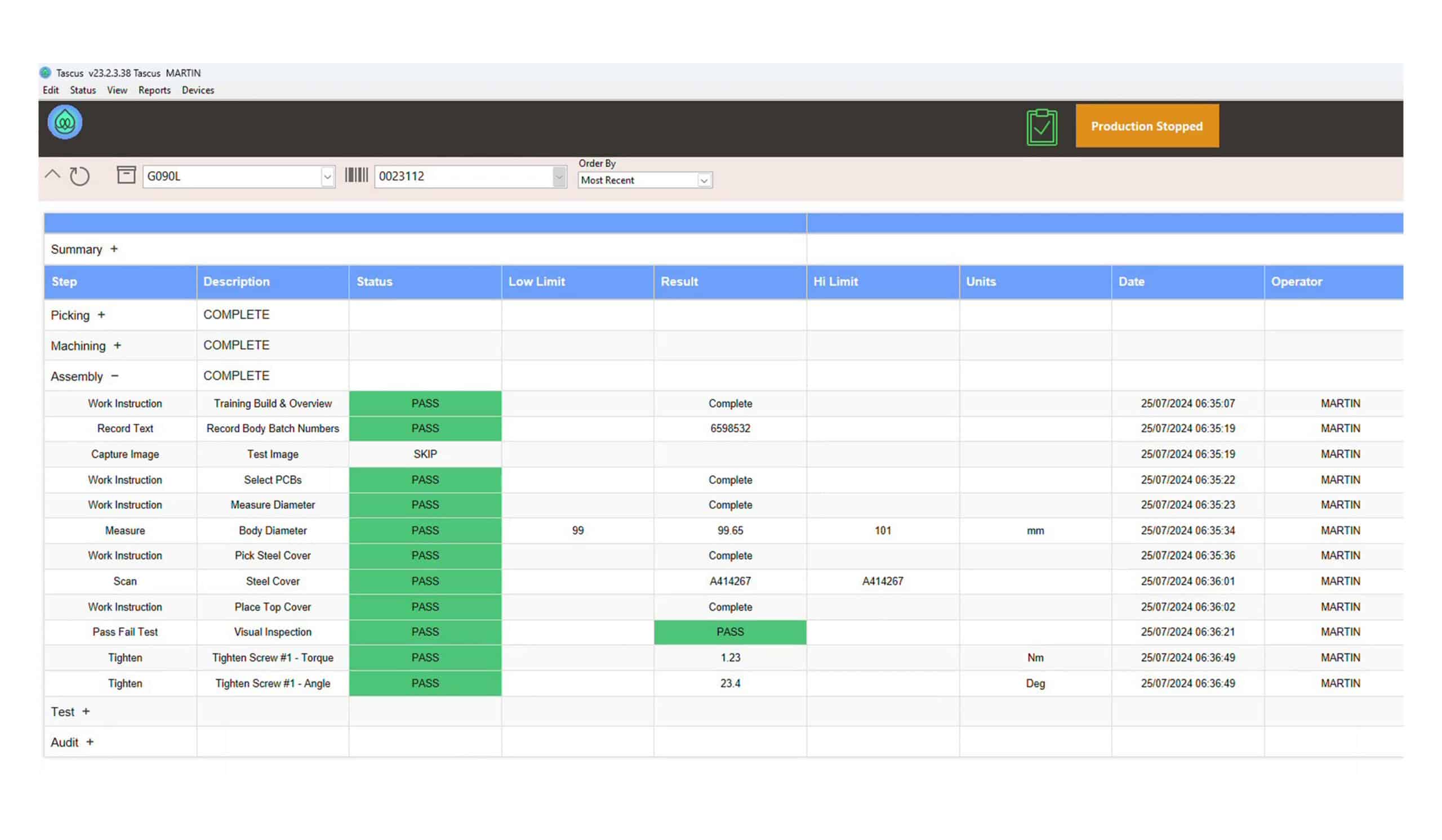
Paper-based production processes can become difficult to control as production grows. Travellers go missing, sign-offs are completed inconsistently, and production records end up spread across paperwork, spreadsheets, and manual notes.
This also makes it harder to see what is happening during production. Supervisors often rely on completed paperwork or verbal updates instead of seeing whether checks were completed correctly as work progresses.
Tascus helps manufacturers standardise production processes by guiding operators through the correct sequence, embedding checks into the workflow, and recording production data as work is completed. This creates a more consistent process while improving traceability and visibility during production.
Talk through your
production process
Discuss how production currently runs, where issues are
appearing, and what’s making consistency
harder to maintain.