
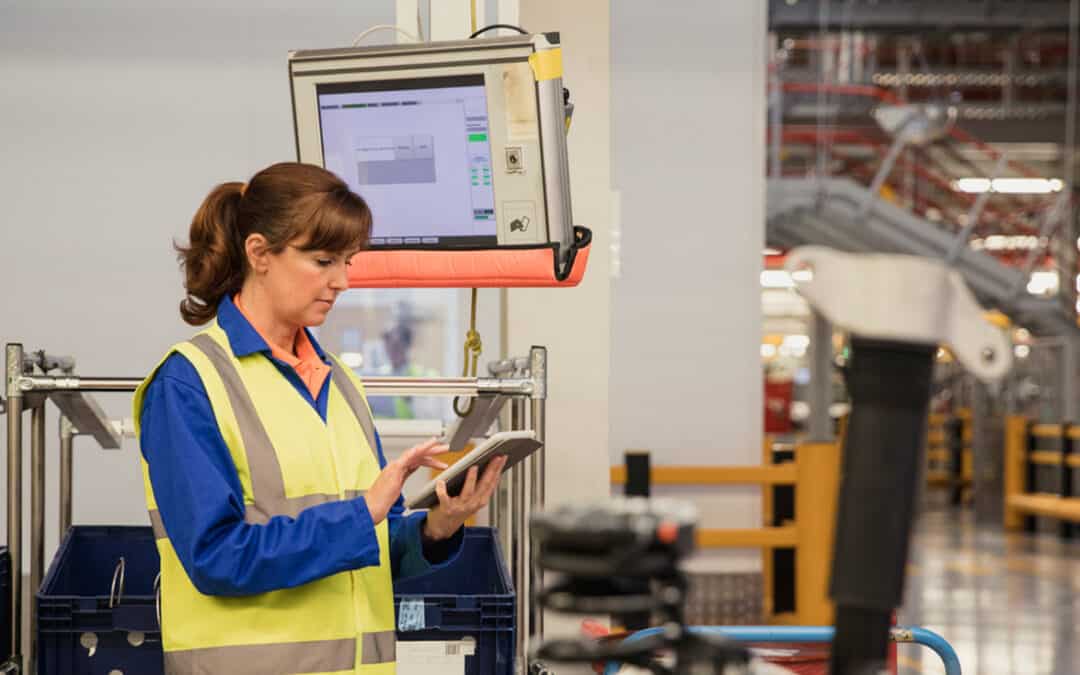
How To Make Effective Digital Work Instructions
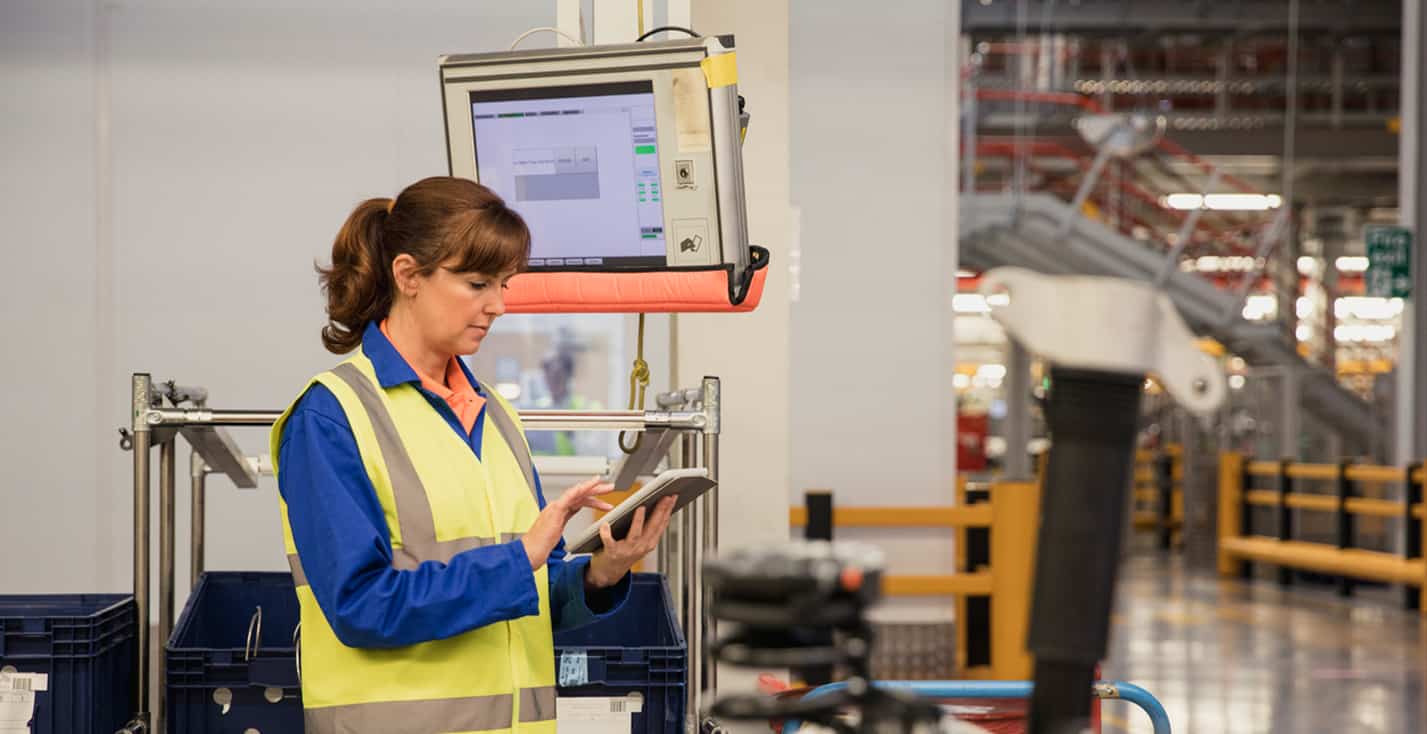
Leave Paper Behind and Revolutionise Your Assembly Processes
Digital work instructions are an essential tool for the manufacturing industry, particularly for assembly operations.
Digital work instructions replace traditional paper-based work instructions with digital instructions that are accessible through a computer or mobile device. These instructions provide several benefits to manufacturers, including improved productivity, quality, and safety.
In this blog post, we’ll explore how Digital work instructions are revolutionising assembly manufacturing and why more manufacturers are adopting this technology.
Improve Productivity
Digital work instructions improve productivity by reducing the time it takes for operators to find the correct work instructions, reducing the number of errors made during assembly, and streamlining the assembly process. With paper-based work instructions, operators often spend a significant amount of time searching through stacks of papers for the correct instructions. With Digital, operators can quickly search for and find the instructions they need on their computer or mobile device.
Additionally, Digital work instructions provide operators with visual aids such as pictures, videos, and animations, which make it easier to understand complex assembly instructions. These visual aids are particularly helpful for new or temporary workers who may not have as much experience with the assembly process.
Reduce Errors
One of the biggest advantages of Digital work instructions is the reduced likelihood of errors during assembly. With traditional paper-based instructions, it’s easy for operators to miss a step or misinterpret an instruction, leading to costly rework and quality issues. With Digital, the instructions are clear, concise, and easy to follow, reducing the risk of errors.
Digital instructions also have built-in quality checks that ensure that each step of the assembly process is completed correctly before moving on to the next step. This reduces the likelihood of errors and ensures that the final product meets the required quality standards.
Quickly Identify Areas for Improvement
Digital work instructions can help streamline the assembly process by providing operators with real-time feedback on their progress. Operators can mark off completed steps as they go, and the system will automatically move them to the next step in the process. This eliminates the need for supervisors to physically check on each worker’s progress and ensures that the assembly process is running smoothly.
They can also help identify areas of the assembly process that are causing delays or bottlenecks. By analyzing data from them, manufacturers can identify areas for improvement and make changes to the assembly process to increase efficiency.
Increase Safety
Digital work instructions can help improve safety in the assembly process by providing operators with clear instructions on how to use equipment safely and how to perform assembly tasks without injury. They can also provide operators with information on potential hazards and how to avoid them, reducing the risk of accidents and injuries.
In conclusion, Digital work instructions are transforming the assembly manufacturing industry by improving productivity, reducing errors, streamlining the assembly process, and improving safety. With the benefits of going digital becoming increasingly apparent, it’s no surprise that more manufacturers are adopting this technology to stay competitive in the ever-evolving manufacturing landscape.
We regularly post on our YouTube channel, where you can find out more about digital manufacturing.
Unleash the Power of Engaging Work Instructions
Download our free Precision Playbook: Guide and Template to set the gold standard for operational clarity and excellence.