
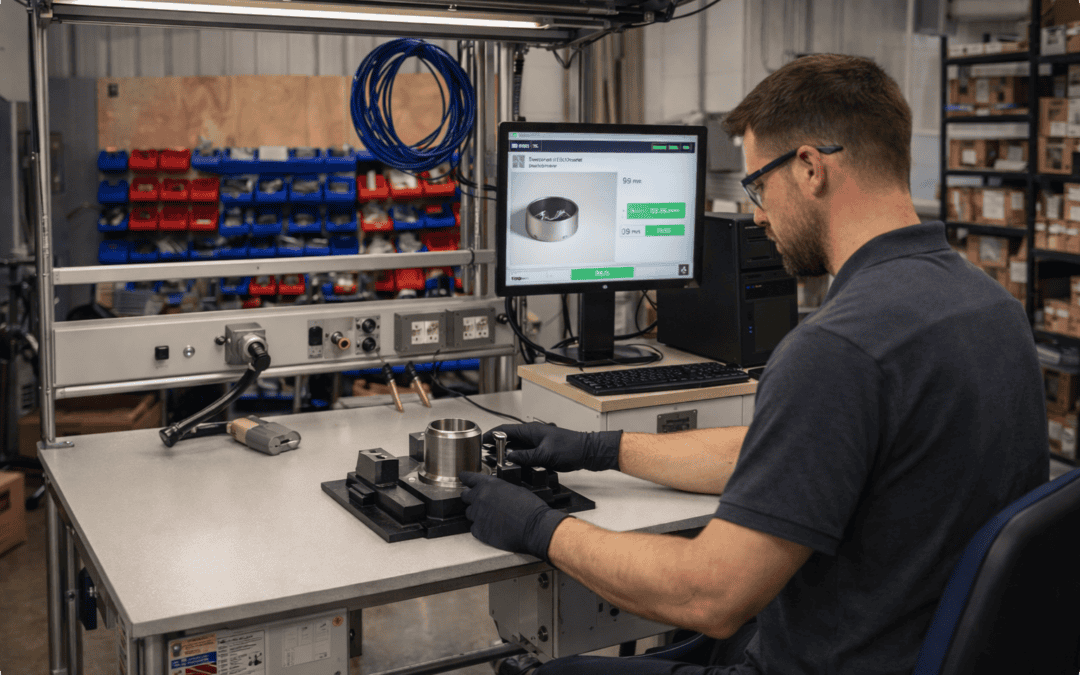
Manufacturing Traceability Explained

Manufacturing traceability is the ability to track materials, components, and work through production, linking each step to a specific product or serial number. It matters because it creates a clear record of how a product was built, making it easier to meet audit requirements and identify issues quickly.
What Is Manufacturing Traceability?
Manufacturing traceability means tracking materials, components, and work as they move through each stage of production, linking that information to a specific product or serial number.
Instead of a single record at the end, it creates a connected history as the product is built. Materials are logged, work is recorded at each stage, and checks are completed as part of the process, often aligned with recognised frameworks such as GS1 traceability standards.
This allows teams to see what was used, what was done, and when it happened, without relying on separate records or memory, especially when implementing traceability across multiple stages of production.
Traceability Starts With How Work Is Recorded
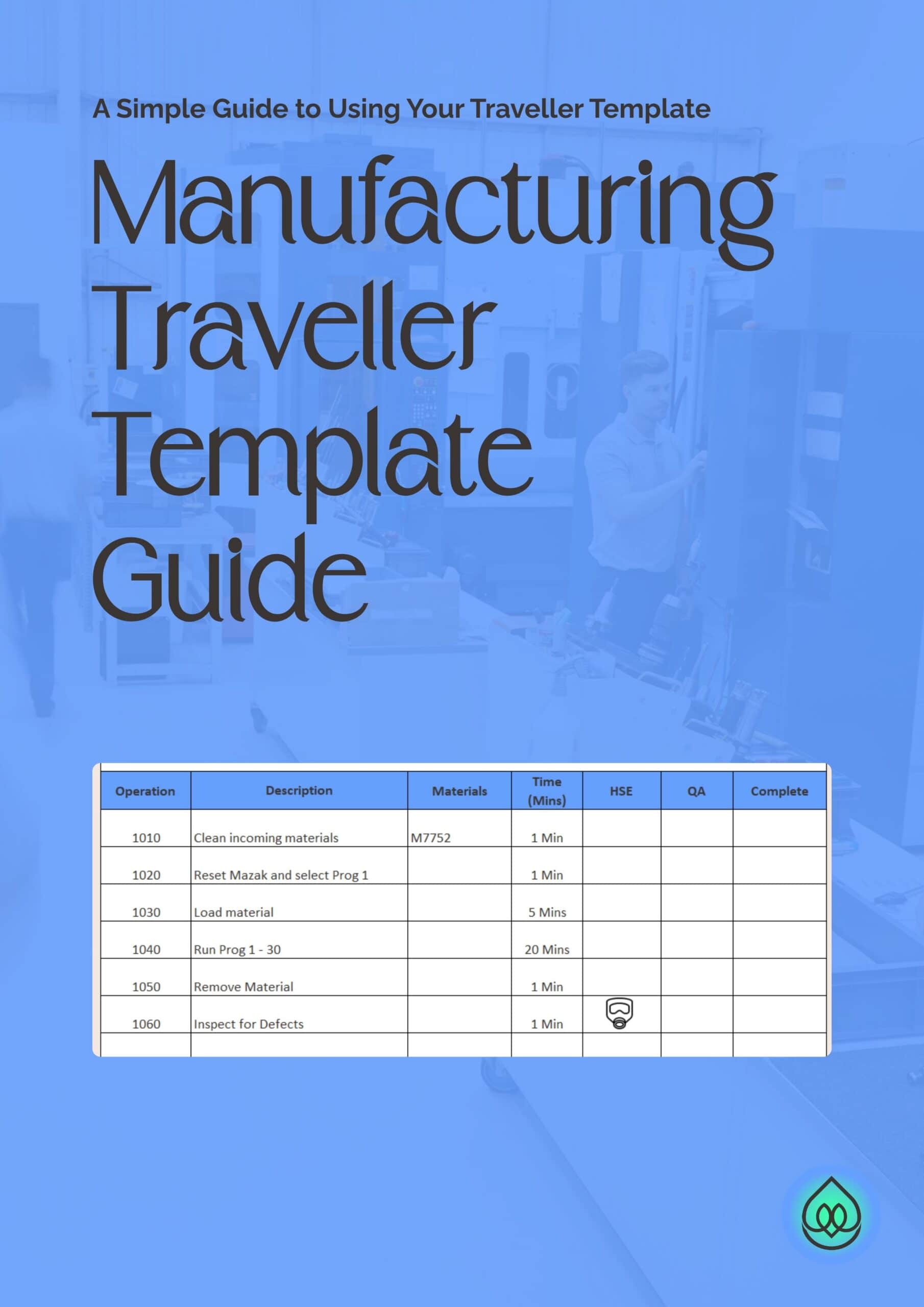
The traveller template gives you a clear structure to capture work consistently and build a reliable production record.
Why Manufacturing Traceability Matters
Manufacturing traceability matters because it allows you to prove how a product was built when it matters most.
Without it, problems show up quickly:
- Audits become time-consuming and uncertain
Information has to be pulled from multiple places, and missing records create risk, especially when standards such as ISO 9001 require clear, verifiable production records that cannot be produced when requested
- Quality issues are harder to contain
When a defect is found, it becomes difficult to determine where it started, which products are affected, and whether the issue has already moved further down the line
- Recalls become wider and more disruptive
Without clear traceability, it is not possible to isolate what is impacted, meaning more products are pulled than necessary, increasing both cost and disruption
Improving your manufacturing traceability reduces this uncertainty by giving teams a clear, reliable record when it is needed.
Common Manufacturing Traceability Problems on the Shopfloor

Manufacturing traceability rarely fails in a single, visible way. Instead, it breaks down through small gaps in how information is captured during production.
Data is often recorded after work has been completed rather than at the point of use. As a result, steps are missed, records become incomplete, and logging varies between operators. When traceability depends on individuals remembering to update forms or spreadsheets, consistency cannot be maintained.
These gaps become most visible under pressure. Operators may skip steps to keep production moving. When a defect is identified, it is not always possible to determine how far it has spread. During an audit, requests for serial-level history can expose gaps that cannot be resolved in time.
The result is fragmented information. When questions arise, teams are forced to reconstruct what happened, often without a complete or reliable record.
Why Manufacturing Traceability Fails with Manual Systems
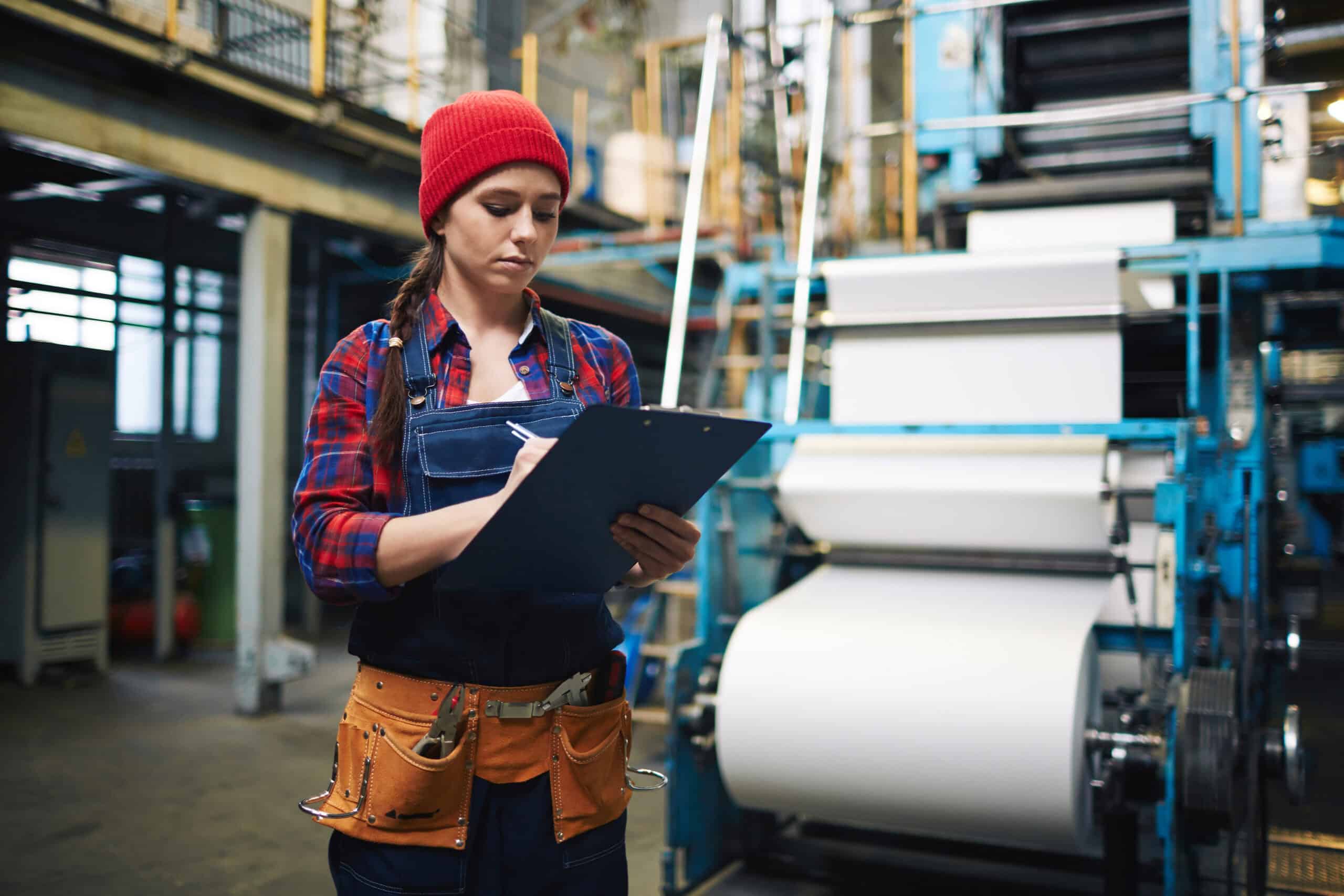
Manual systems are not designed to support traceability consistently across production.
Paper travellers and spreadsheets rely on information being recorded at each stage. Under operational pressure, this recording becomes secondary to keeping production moving.
There is no built-in control to enforce the process. Steps can be missed, checks can be bypassed, and work can continue without the required data being captured.
Traceability becomes dependent on individual discipline rather than the process itself. Even where expectations are clear, consistency cannot be maintained, and gaps are often only identified once they begin to affect quality, audits, or downstream operations.
Where Is Traceability Breaking Down?
Use the Traceability Gap Check to identify where information is being missed, recorded later, or handled inconsistently across your process.
What Good Manufacturing Traceability Looks Like
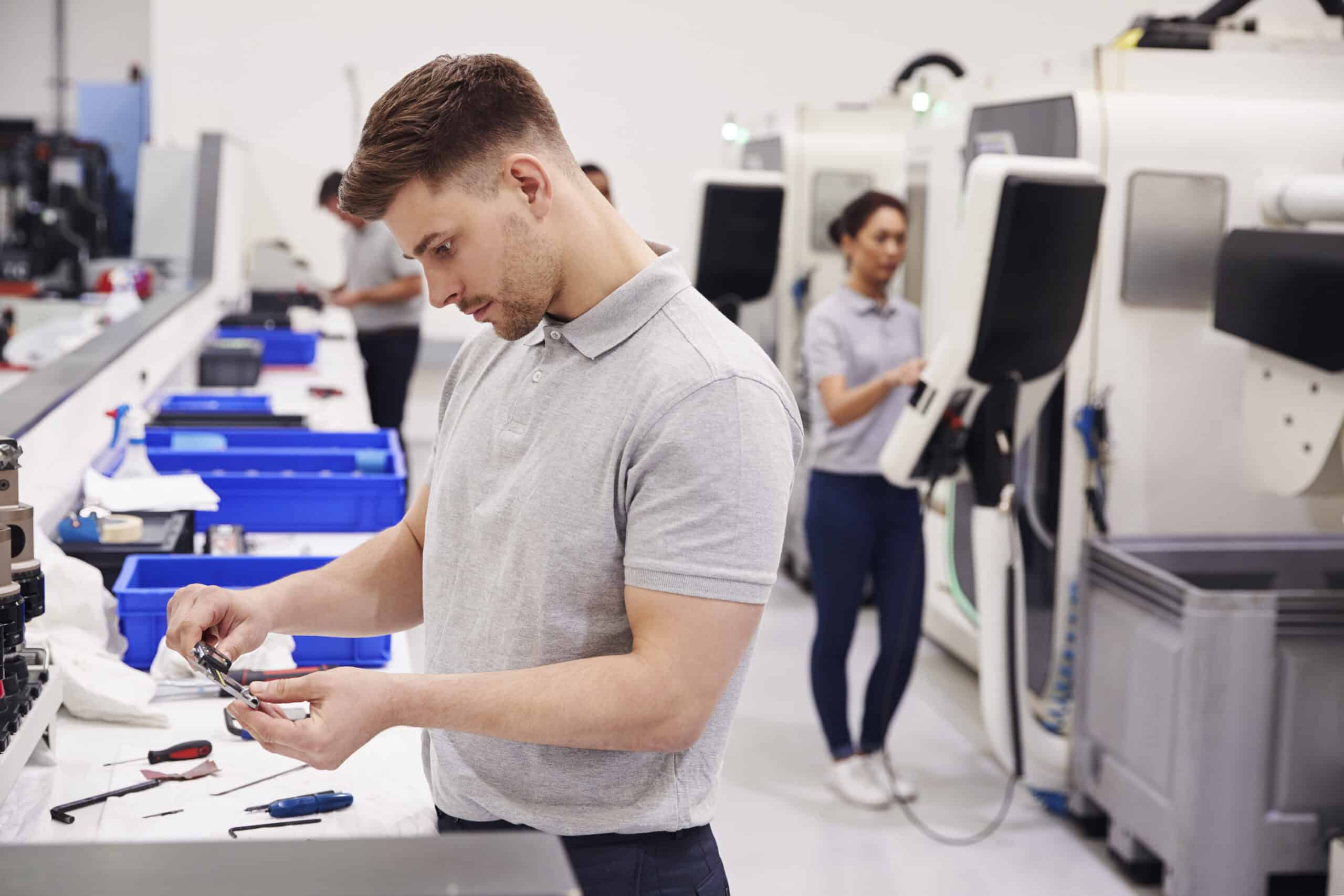
Good manufacturing traceability is built into the process itself.
Data is captured at each step as work is completed, and everything is linked to the product or serial number.
Checks are completed before the product moves on, ensuring nothing is missed. Each product builds a clear history showing what was used, what was done, and when.
This creates a consistent, reliable record that teams can trust when it matters, supported by standardised processes across the production line.
When Manufacturing Traceability Starts Breaking Down
Manufacturing traceability breaks down when the effort required to maintain it becomes greater than the system can support.
Teams spend more time managing records than using them. Audits require preparation instead of being routine. Simple questions about what was built take time to answer.
At this point, the issue is no longer isolated gaps. The approach itself is no longer sustainable.
Moving Beyond Manual Manufacturing Traceability
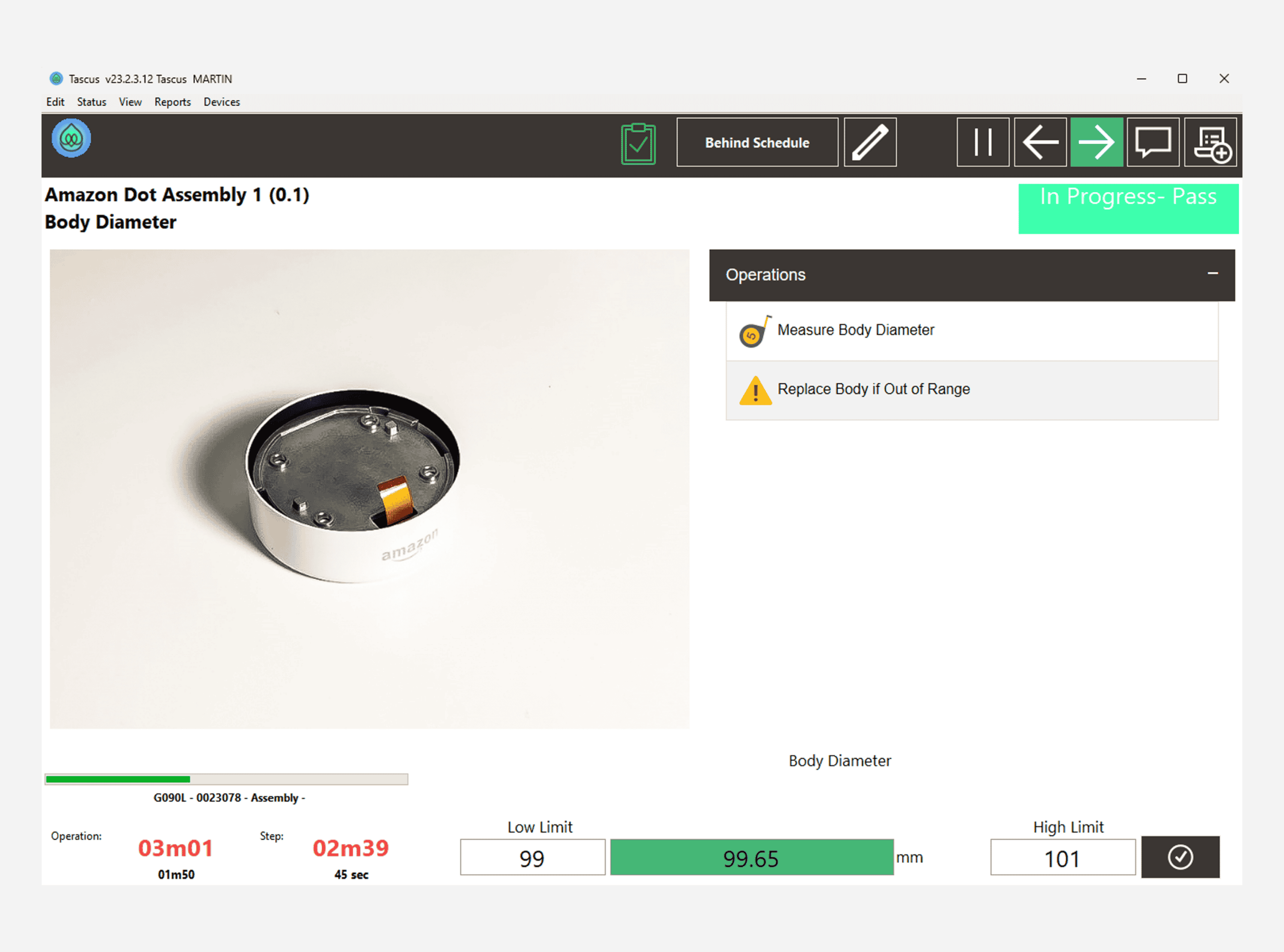
Improving manufacturing traceability requires a change in how it is managed.
Manual methods rely on people to record and maintain data. A production system shifts this responsibility into the process itself, so traceability is built into how work is carried out.
This removes the need to reconstruct records later and creates a consistent, reliable view of production as it happens.
Spot Traceability Gaps Across Production
If traceability gaps are appearing across production, the quickest place to improve them is where information is captured.
Download the Traceability Gap Check to identify where records, tracking, and production visibility start breaking down across your process.
Review Your Production Workflow
If you are already using travellers or systems but still seeing gaps, the issue is usually how the process is set up.
A Production Review looks at how work is recorded across your line, where traceability breaks down, and what needs to change to make it consistent.