

Reduce Operator Variation
Create a more consistent production process across operators and shifts, with less reliance on individual experience.
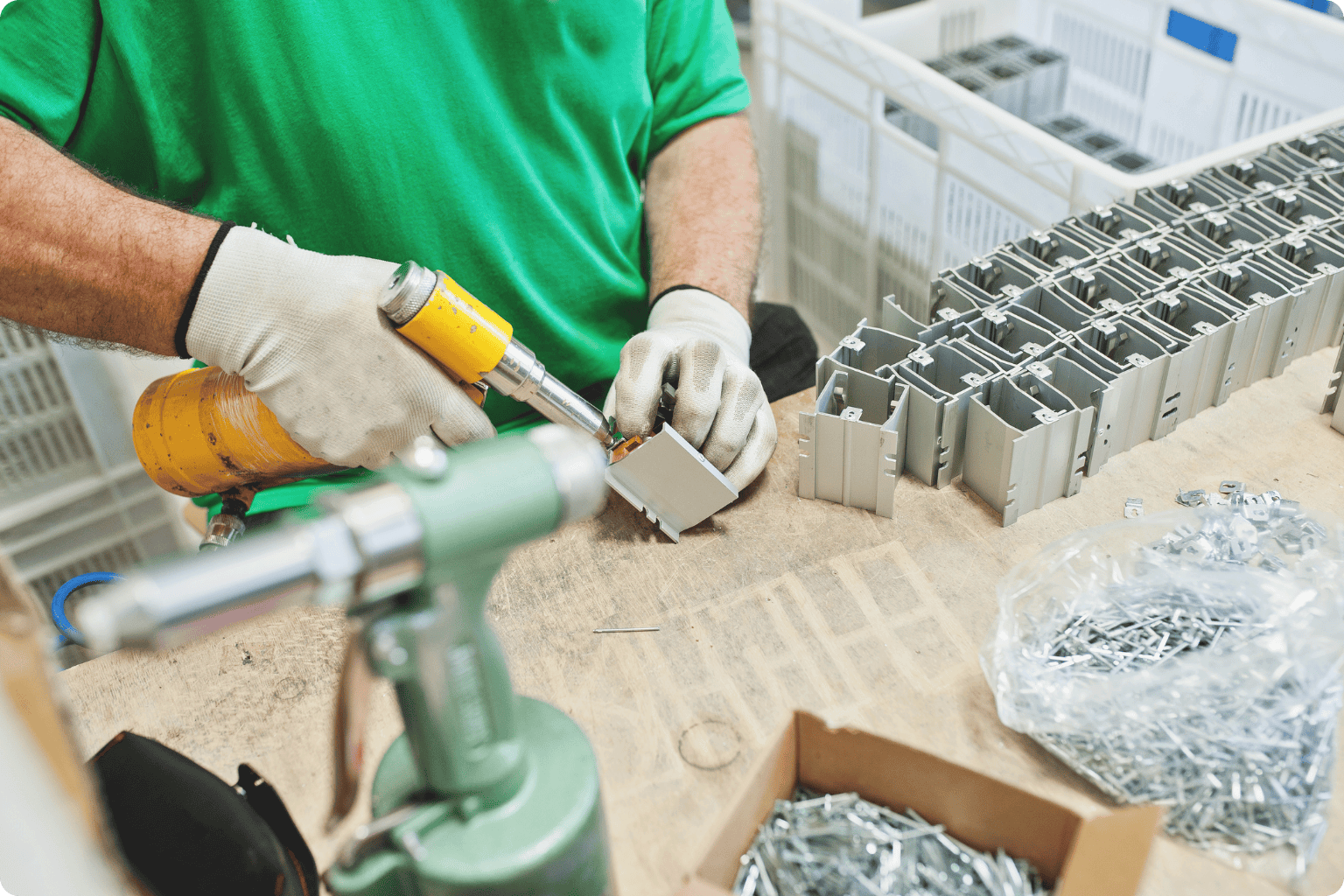
Why does operator variation happen?
Operator variation makes production harder to control. When the same task is completed differently by different operators or shifts, the outcome becomes less predictable. Small differences in how work is carried out can affect product quality, increase rework and make it more difficult to maintain consistent production standards.
As production becomes more dependent on individual experience than a defined process, operators naturally develop different ways of completing the same task. Without one standard method, variation becomes harder to control and more difficult to eliminate.
The impact of operator variation
Longer Training
Without one defined method, training takes longer and is less consistent.
More Rework
Inconsistent working methods increase defects and rework.
Reduced Productivity
Operators regularly rely on experienced colleagues for confirmation.
Less Predictable Production
Manufacturers have less confidence every product has been built to the same standard.
How to Reduce Operator Variation
Standardise the production process
Create one defined production process that every operator follows. Document the approved production method with work instructions that define the tools, materials, quality checks and production records required at each stage.
Remove ambiguity
Any uncertainty in the production process creates opportunities for variation. Clear guidance at every stage ensures work is completed consistently without relying on memory, personal experience or verbal guidance.
Keep processes up to date
Manufacturing processes change over time as products, customer requirements and production methods evolve. Regularly reviewing and updating the approved process helps ensure production remains consistent.

Ready to standardise your production process?
Download our free Digital Work Instructions Guide and ready-to-use templates.
✓ Digital Work Instructions Template
✓ Example work instruction layouts
✓ Quality checkpoint examples
✓ Revision control and operator sign-off guidance
.
Digital Production Systems
Today, manufacturers don’t have to rely on paper travellers and production documents to standardise production. A Manufacturing Execution Systems (MES) replace paper travellers and production documents with a single digital system with a single digital production system, giving every operator the same production process to follow.
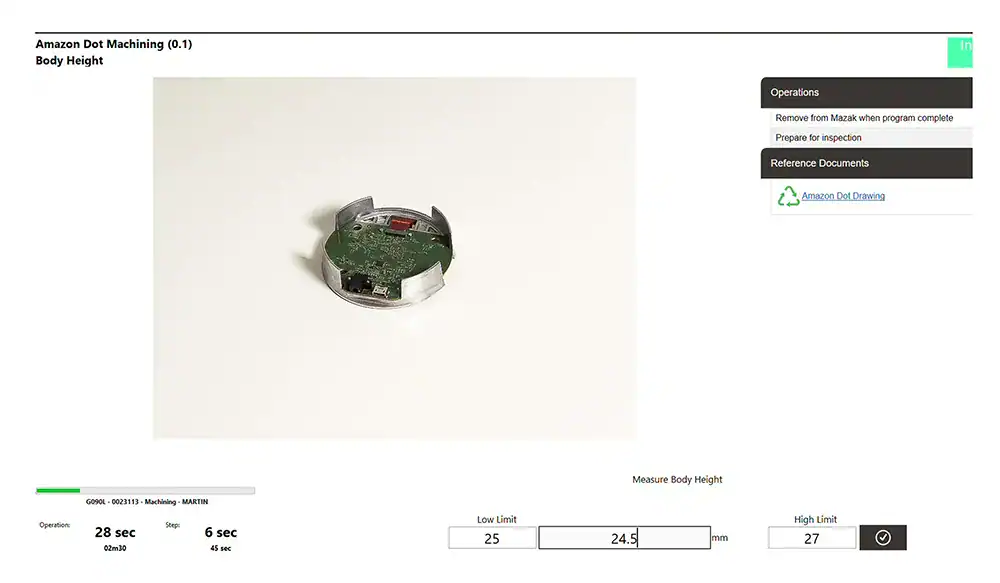
Screenshot of Tascus
Production Consistency in Practice
See how manufacturers have improved production consistency.

Aerospace Manufacturing
Consistent Production Across Shifts
A leading aerospace manufacturer implemented Tascus to replace manual recording with digital work instructions and controlled manufacturing routings.
As a result, the same production process was followed regardless of operator, shift or location.
Key outcomes:
- Consistent production across shifts
- Embedded quality checks
- Complete production traceability

Off-Highway Vehicle Components
50% Reduction in End-of-Line Rework
A global manufacturer of control systems for off-highway vehicles implemented Tascus to embed production control, quality checks and traceability directly into the manufacturing process. This guided operators through each stage of production and helped identify issues before final inspection.
Key outcomes:
- Over 50% reduction in end-of-line rework
- More than 1,000 production data points per product
- Greater process control
Standardising Production with Tascus
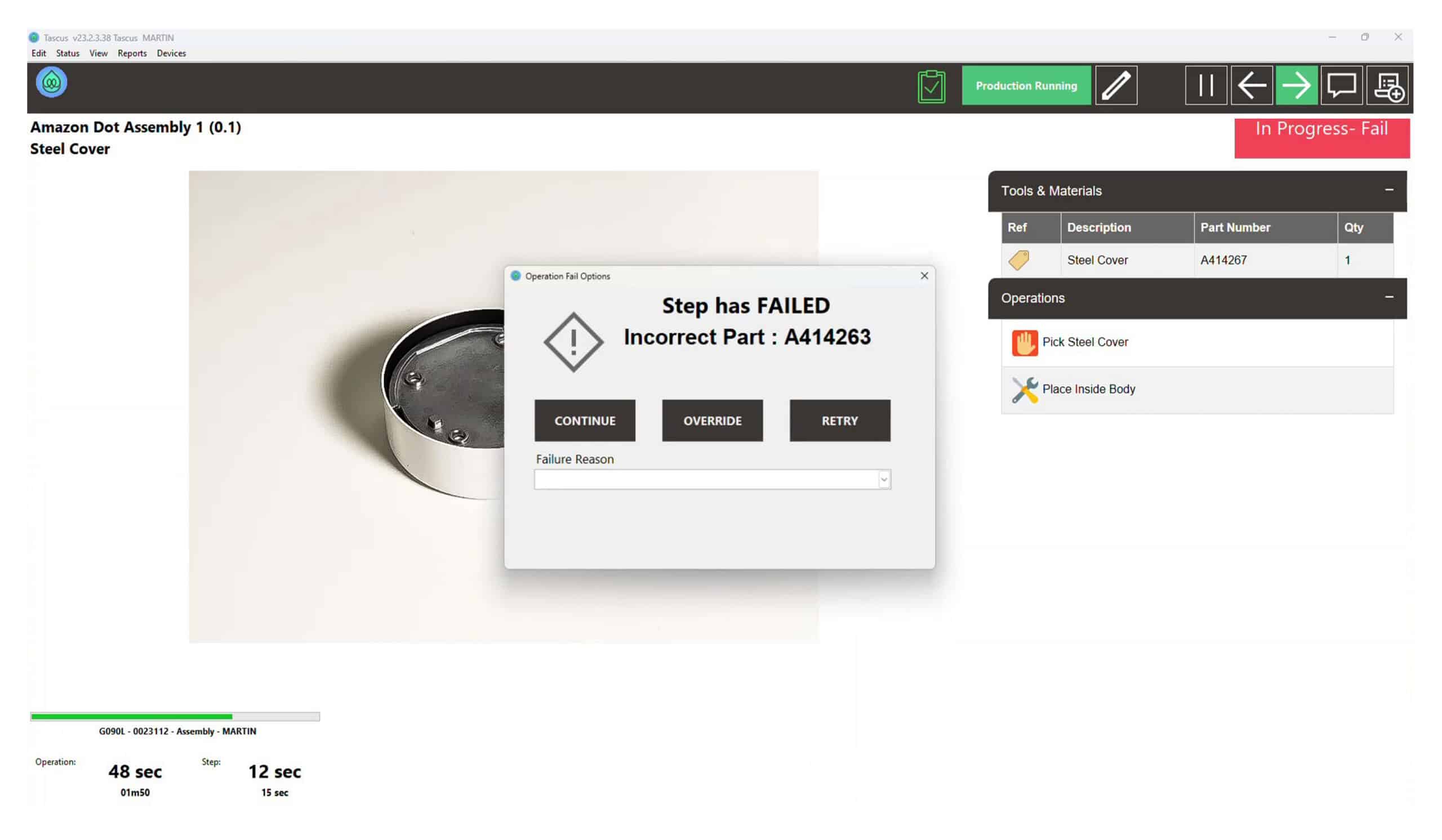
Tascus is a Manufacturing Execution System (MES) developed by Metis Automation. It guides operators through every stage of production with digital work instructions, embedded quality checks and complete production records, helping ensure every product is built using the same approved process.
Production cannot progress until required steps and quality checks have been completed. As work progresses, production information is recorded automatically, creating a complete digital production record for every product.
The result is reduced operator variation, giving manufacturers greater confidence that every product is built using the same approved production process.

Related Resources
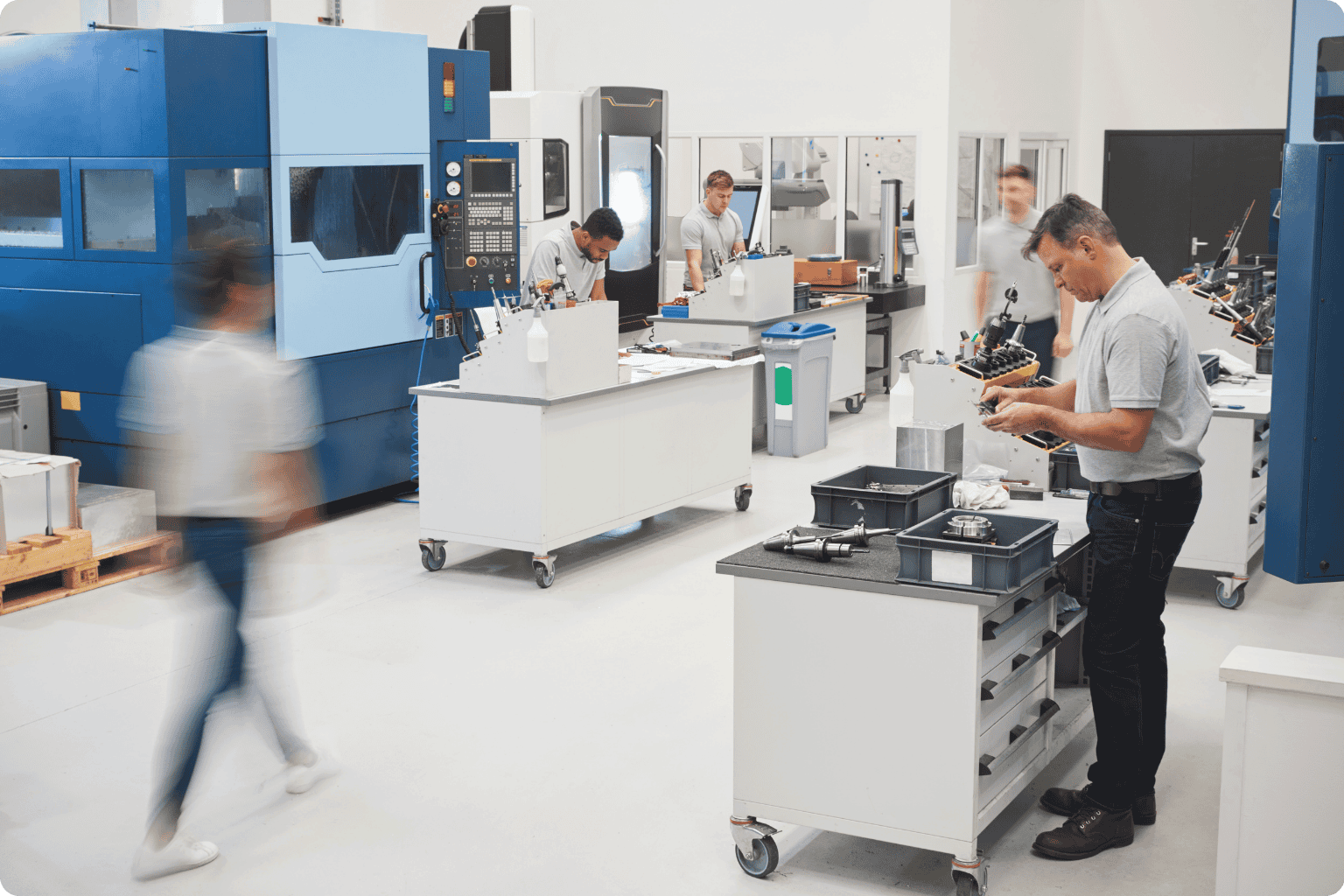
Standardise Production Processes in Manufacturing
Learn how standardised production processes reduce variation and improve production performance.
Reducing Variation in Manufacturing
Learn what causes production variation and how manufacturers create more consistent production processes.

How to Create Digital Work Instructions for Manufacturing
See how digital work instructions improve consistency, quality and operator confidence.
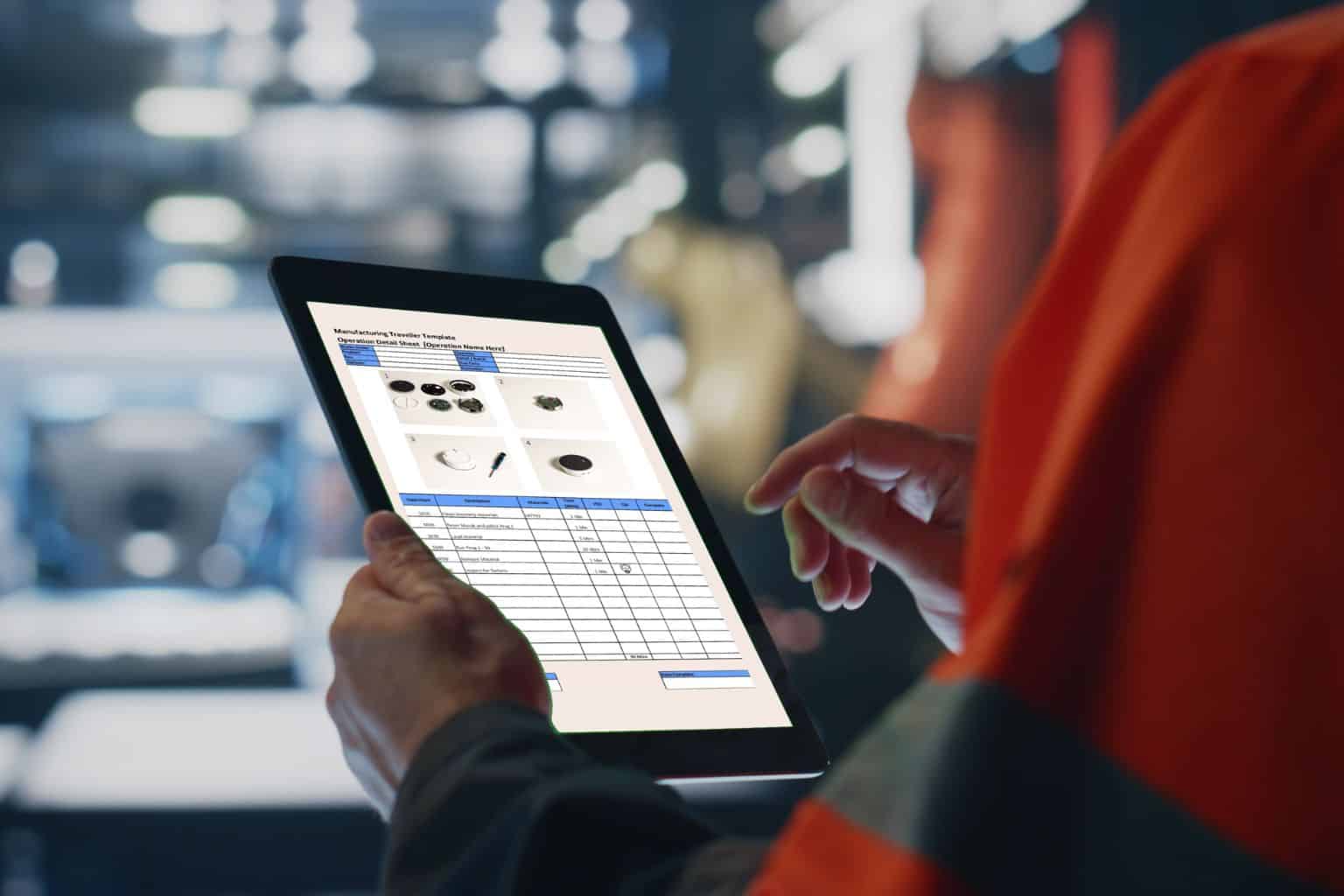
Manufacturing Traveller Template
Download a free manufacturing traveller template to help standardise production and capture production records consistently.
Production Workflow Review
Every production process is different. Our Production Workflow Review helps identify where operator variation occurs, where consistency breaks down and opportunities to improve production.
